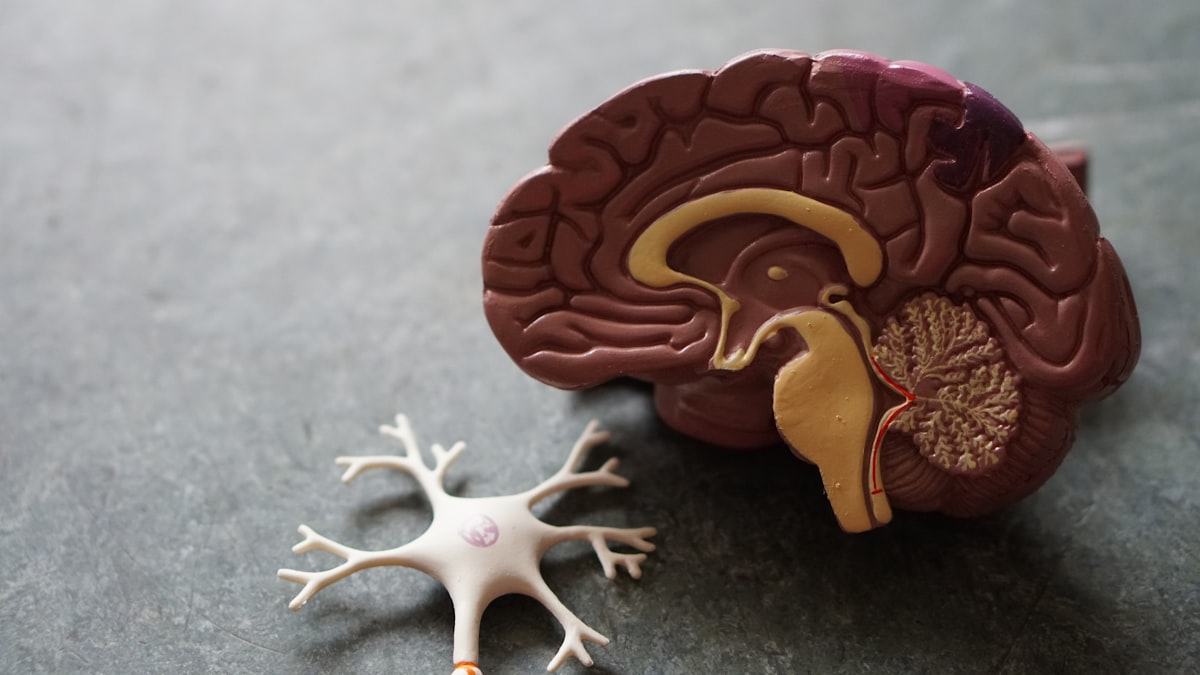
Attention Deficit Hyperactivity Disorder (ADHD) is a neurodevelopmental condition affecting how the brain regulates attention, impulses, and activity levels. Far from being simply about "paying attention," ADHD represents a complex difference in executive functioning and neurological processing.
The Modern Understanding of ADHD
Current research reveals ADHD as a difference in brain structure and function, particularly affecting areas responsible for executive functions, the mental processes that help us plan, focus, remember instructions, and manage multiple tasks. Neuroimaging studies show differences in brain development, connectivity, and neurotransmitter function, particularly involving dopamine and norepinephrine systems.
ADHD manifests across three primary presentations:
Predominantly Inattentive Presentation involves difficulty sustaining focus, following detailed instructions, organizing tasks, and avoiding distractions. People may appear forgetful or daydreamy, though their minds are often extraordinarily active.
Predominantly Hyperactive-Impulsive Presentation includes difficulty sitting still, excessive talking, interrupting, and making hasty decisions. This presentation is often recognized earlier because it's more externally visible.
Combined Presentation includes significant symptoms from both categories and is the most commonly diagnosed type.
The Real-World Impact
ADHD influences far more than academic or work performance. It affects:
- Time perception and management, many people with ADHD experience "time blindness," where time feels inconsistent and deadlines sneak up unexpectedly.
- Emotional regulation, feelings can arrive intensely and shift rapidly. This emotional sensitivity is increasingly recognized as a core feature of ADHD, not merely a side effect.
- Working memory, holding and manipulating information mentally becomes challenging, affecting everything from following conversations to remembering why you walked into a room.
- Motivation and interest-based nervous system, the ADHD brain often operates on an "interest-based" rather than "importance-based" system. Tasks can feel nearly impossible unless they're novel, urgent, interesting, or challenging.
- Rejection sensitivity, many people with ADHD experience heightened sensitivity to perceived rejection or criticism, likely due to accumulated experiences of criticism and correction throughout life.
Beyond Childhood: ADHD Across the Lifespan
While ADHD was once considered primarily a childhood condition, we now understand it's a lifelong neurodevelopmental difference. Symptoms may shift with age, hyperactivity might manifest as internal restlessness in adults, but the core executive functioning differences persist.
Adult ADHD often remains undiagnosed, particularly in women and people who developed effective coping strategies or whose intelligence masked their struggles. Many adults discover their ADHD only when life demands exceed their coping capacity, during higher education, demanding careers, parenting, or when their own children receive diagnoses.
Common Co-occurring Conditions
ADHD rarely exists in isolation. Research indicates high rates of co-occurrence with:
- Anxiety disorders and depression
- Autism spectrum conditions
- Learning differences including dyslexia
- Sleep disorders
- Sensory processing differences
- Substance use challenges (often related to self-medication)
Understanding these intersections is crucial for effective support.
Trauma and ADHD
Growing up with undiagnosed or unsupported ADHD frequently leads to trauma. Repeated experiences of failure, criticism, punishment for symptoms beyond one's control, and chronic feelings of "not measuring up" create lasting psychological impacts. Many people with ADHD develop anxiety, low self-esteem, and perfectionistic tendencies as protective responses.
Strengths and Positive Aspects
Contemporary perspectives increasingly recognize ADHD's associated strengths:
- Creative and divergent thinking
- Hyperfocus on engaging topics
- High energy and enthusiasm
- Ability to think quickly and make connections others miss
- Crisis management skills and ability to thrive under pressure
- Entrepreneurial spirit and innovative problem-solving
Supporting ADHD: A Holistic Approach
Effective ADHD support is individualized and multifaceted:
Environmental modifications, creating external structures that work with rather than against ADHD brains. This includes visual reminders, body doubling, breaking tasks into smaller steps, and designing spaces that minimize distractions.
Understanding your unique profile, recognizing your specific pattern of strengths and challenges, including when and how you focus best, what drains or energizes you, and which strategies actually work for you.
Emotional processing, addressing accumulated shame, building self-compassion, and developing emotional regulation strategies that honor your neurological differences.
Life skills development, building personalized systems for time management, organization, and task completion that accommodate rather than fight against your brain's natural functioning.
Exploring whether medication might help, while medication isn't right for everyone, for many people it significantly improves quality of life and should be considered as one option among many.
Moving Forward
Living with ADHD in environments designed for neurotypical brains presents real challenges, but understanding your ADHD as a neurological difference rather than a personal failing changes everything. With appropriate support, self-understanding, and accommodation, people with ADHD can build fulfilling lives that leverage their strengths while managing challenges.
The goal isn't becoming "normal", it's understanding how your brain works and creating a life that honors that reality while supporting your wellbeing and goals.